
What do we measure?
Up to 10 groups of measurements and assessments in one visit — clinical, functional and selected POCT markers on site, interpreted together by a doctor.
The aim is not to look at one marker on its own, but to build a link between the complaints, the medical history, the objective measurements and the possible leading factors behind the condition.
Up to 10 groups of measurements and assessments
The initial diagnostics may include up to 10 groups of clinical, functional and on-site POCT markers. They are selected according to the particular case and interpreted together by a doctor.
Blood pressure, pulse, saturation, temperature and breathing — to assess the current state and safety before procedures.
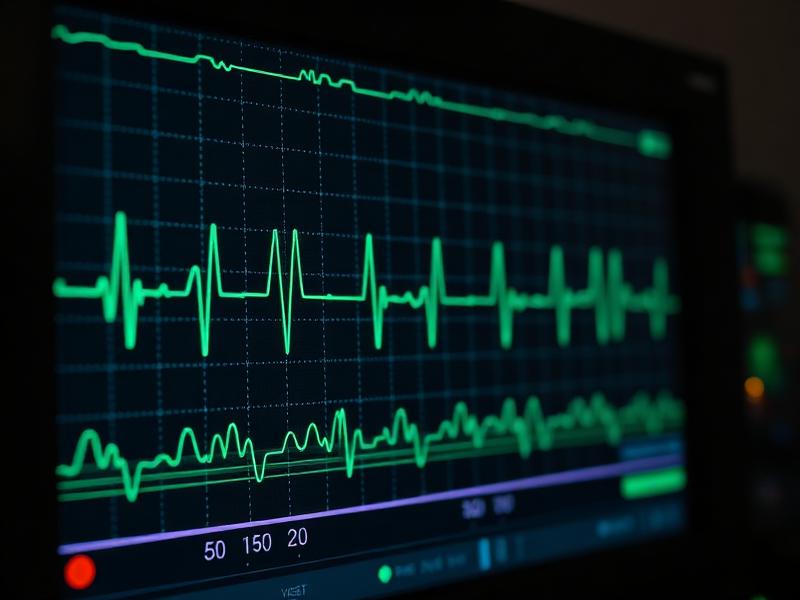
Assessment of heart rhythm, rate and conduction. Used as part of the safety check before physical and device-based therapies.
Examination of the heart, lungs, abdomen, nervous system, joints and other systems according to the needs of the case.
A structured conversation about the complaints, previous illnesses, medication, supplements, sleep, nutrition, stress, physical activity and available tests.
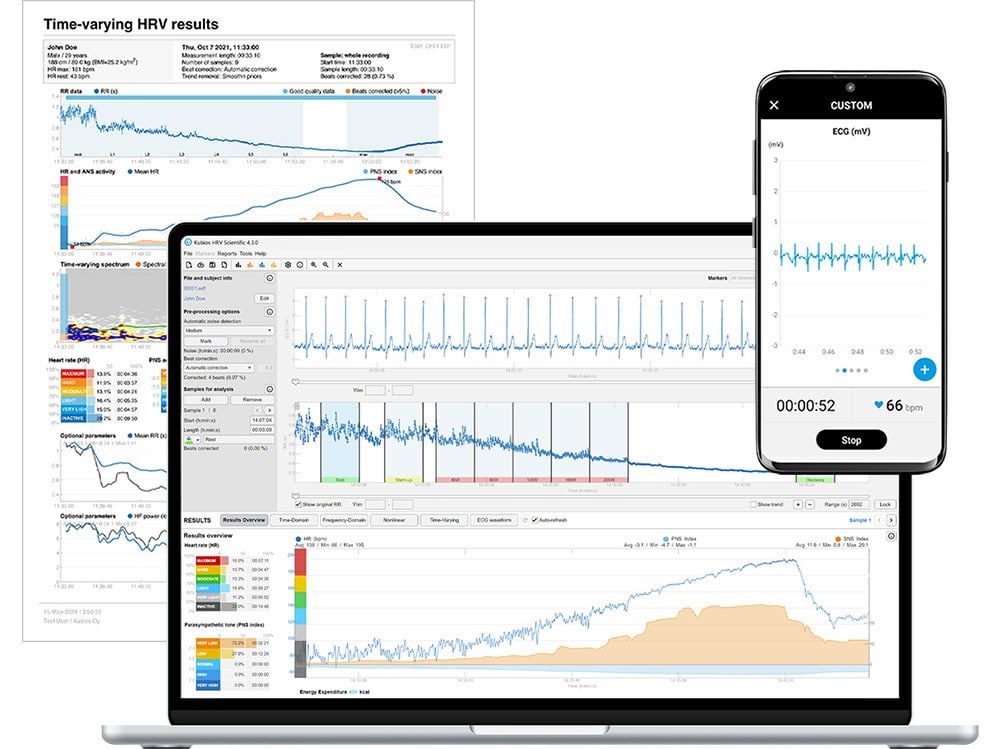
A five-minute recording at rest, which gives information about autonomic regulation, the stress response and recovery capacity.
Assessment of the body's oxidative load and antioxidant capacity, when these markers are included in the individual plan.
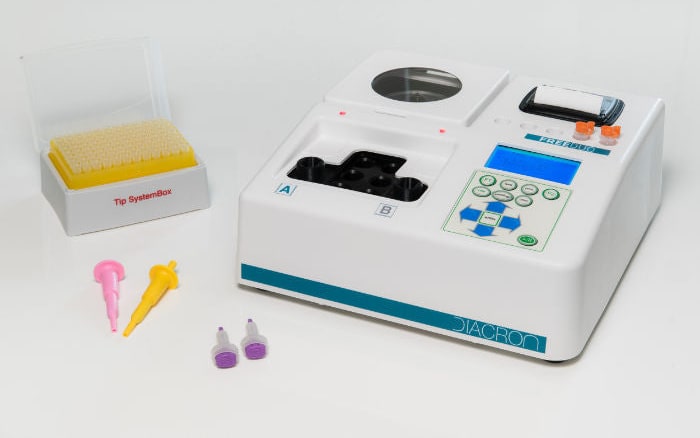
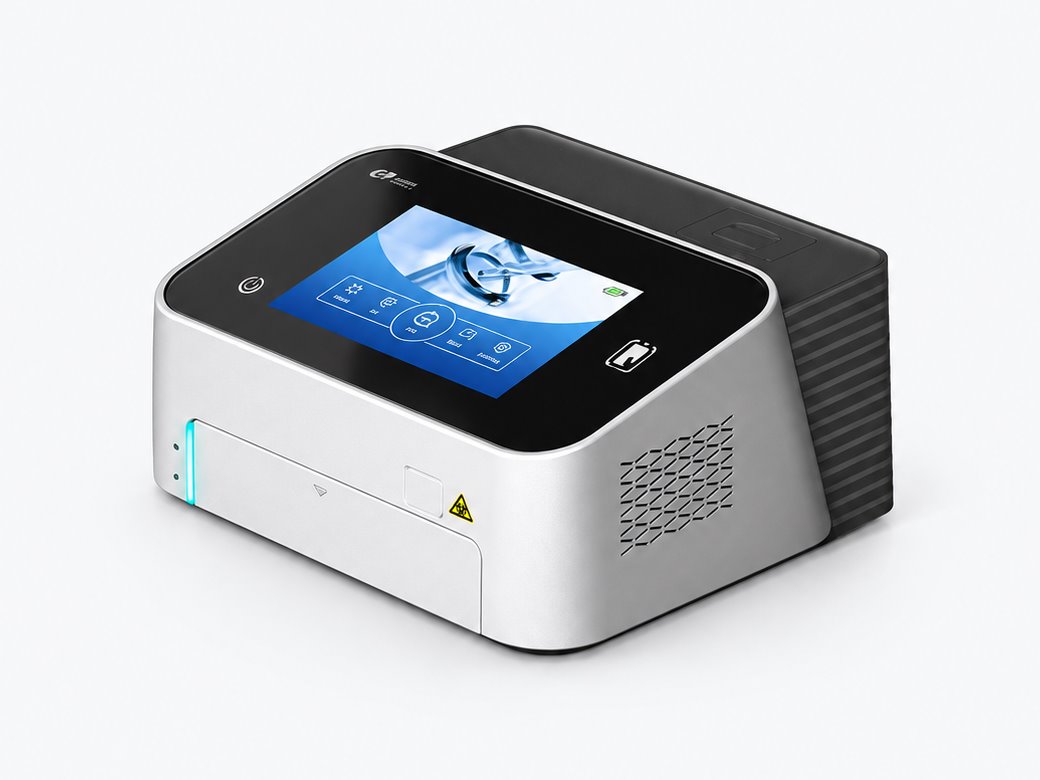
Rapid markers measured within the medical assessment. They can support the judgement of an inflammatory, metabolic, hormonal or other context according to the case.
BMI, weight, waist, fat mass, muscle mass, visceral fat, body water and basal metabolism.
Where indicated, the doctor assesses whether the complaints may be linked to an infectious or post-infectious factor. Where needed, additional targeted tests are recommended — serology, PCR, microbiology, immunological or other panels.
The results are not considered separately. The doctor looks for the link between the medical history, the symptoms, the vital signs, HRV, oxidative balance, body composition, the POCT markers and the available laboratory results.
The aim is to build a baseline and an individual written plan with clear next steps.
Clinical interpretation
A single raised value is not, in itself, a diagnosis.
The doctor interprets the markers against one another and against your complaints, medical history and risk factors. The aim is to judge which findings are significant and which possible mechanisms may be sustaining the condition — metabolic, inflammatory, hormonal, oxidative, autonomic, infectious or related to sleep and recovery.
Why choose usStart with precision diagnostics
One visit of around two hours — a medical examination, up to 10 groups of measurements and an individual written plan.
The next decisions are made on objective data, medical interpretation and clearly discussed goals.