
Pain, stiffness and recovery after traumatic conditions
Pain that does not settle in days or weeks is rarely "just age". First we examine and rule out causes that need different treatment. Then we work on the mechanism — and progress is measured, not assumed: a pain scale and range of motion.
The path, from complaint to number.
The same four steps for every complaint — only the measurements and the therapies change.
How you feel, in your own words
Only the markers and tests that can give useful information
Next steps and therapies, determined by a doctor
VAS pain score · range of motion
What do we measure — and why?
The complaint becomes measurements. Here is which — and what each of them tells us.
Pain, spasm, restricted range of motion, injury or overload — once red flags have been excluded.
- Medical examination and functional testHistory, examination and a functional test of movement and pain — before any device.
- Contraindication screeningImplants, pregnancy, acute conditions — checked before any therapy, not after.
- Body composition analysisMuscle, fat, visceral fat and water separately — not just weight.
Depending on the case, the doctor decides which of these give useful information.
- reducing pain
- supporting recovery
- improving local function
- recovery after physical load
- tracking readiness for load
The therapies that follow.
Each one leads to its own page — the mechanism, duration, price and contraindications.
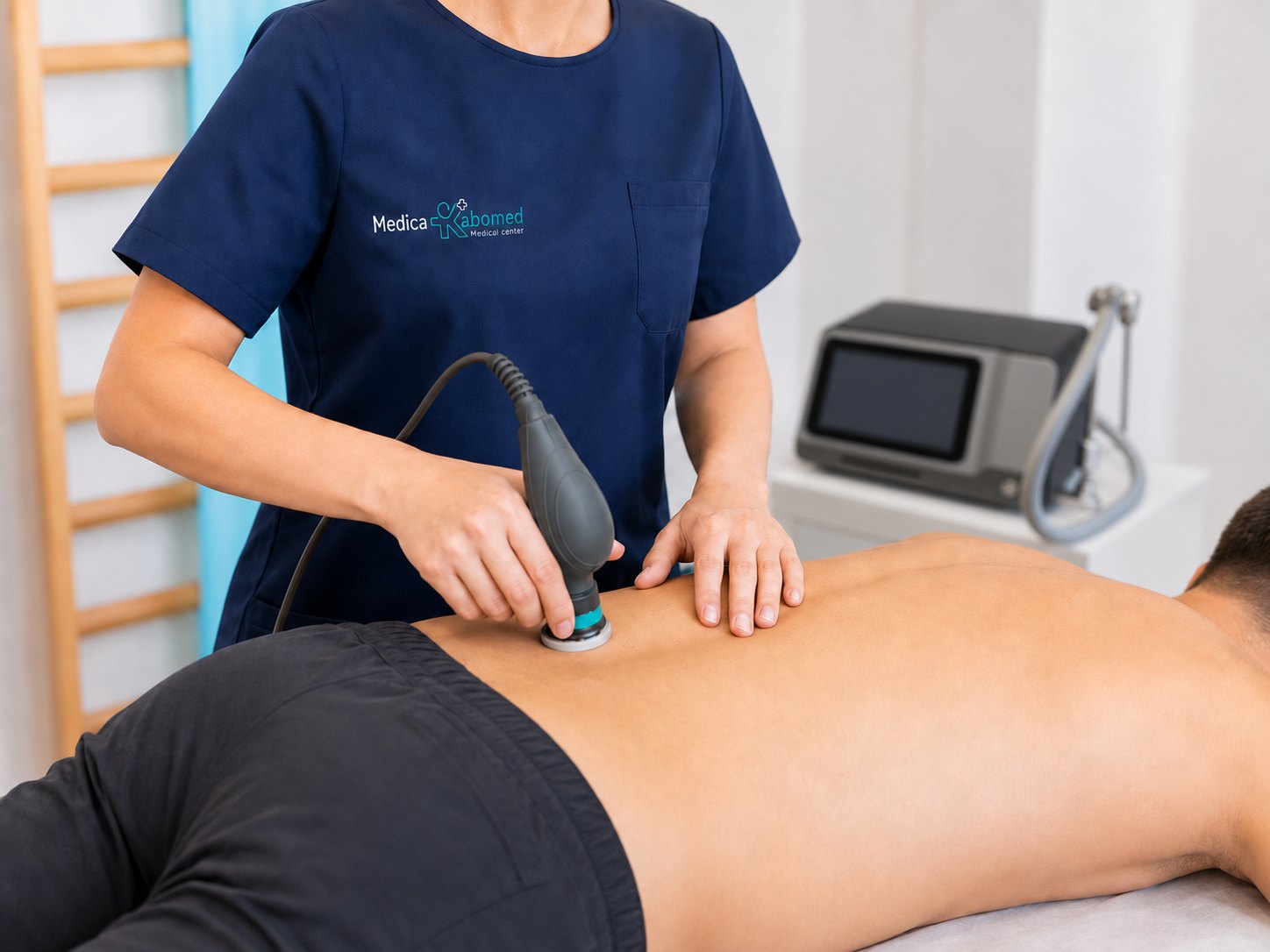
TECAR therapy
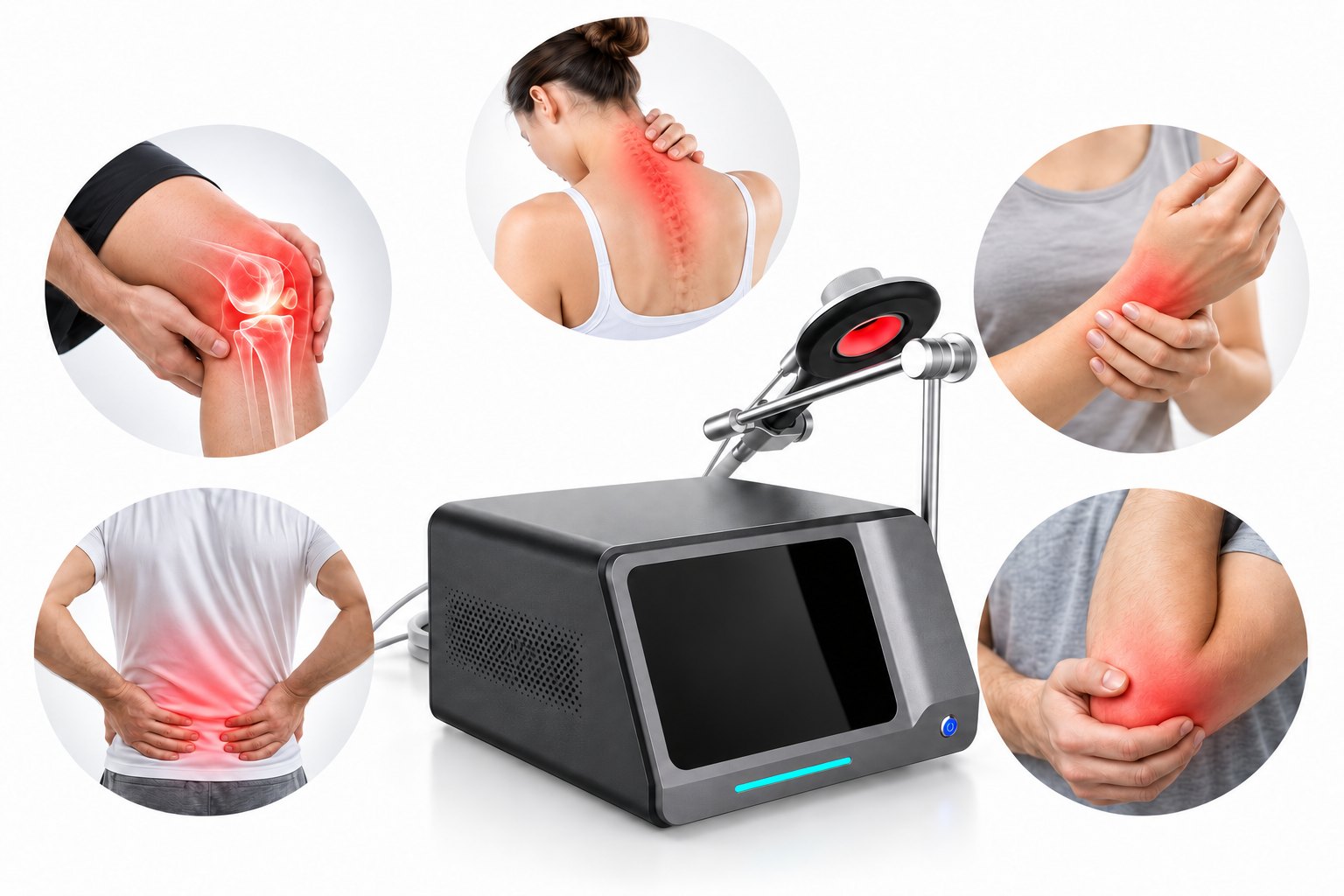
PMCT therapy
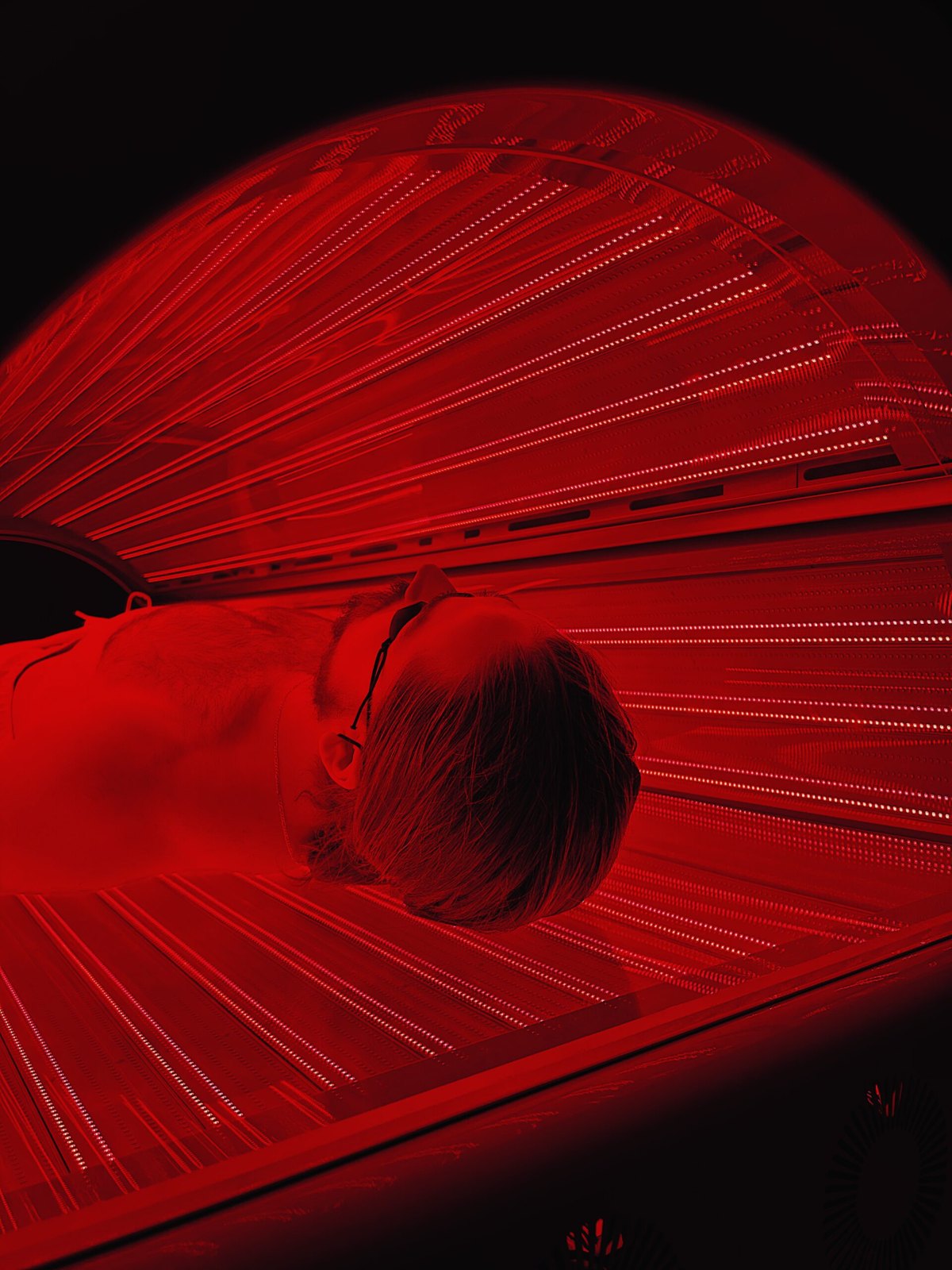
Photobiomodulation (PBM)

PEMF therapy
What do we track, before and after?
The plan is checked in numbers, not only in how it feels.
VAS pain score
range of motion
functional test
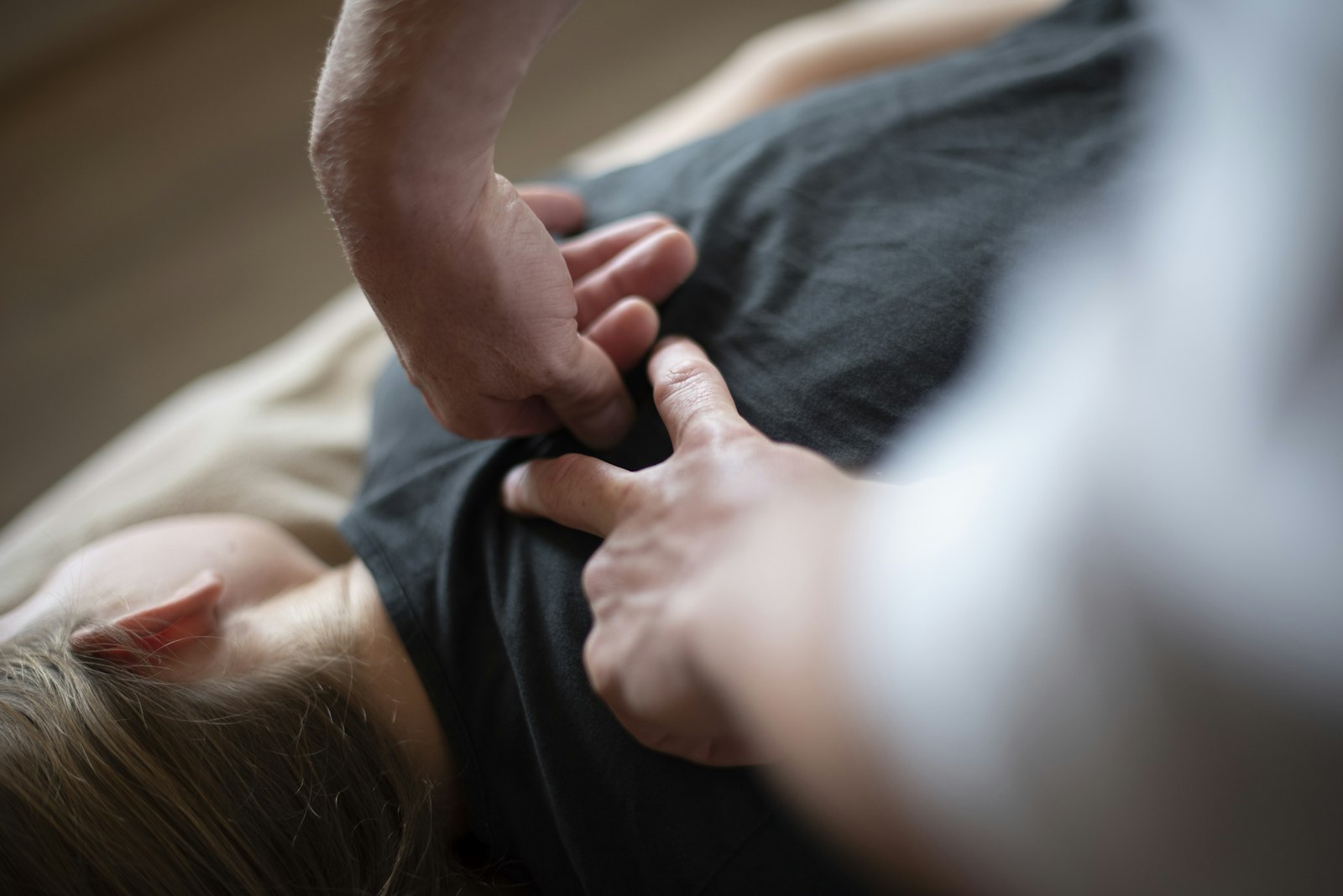
How does it start?
You do not need to know in advance which test or procedure you need. That is decided at the assessment.
The assessment is a single visit of about two hours: examination, ten groups of measurements and a written plan — 420 €.
The solution is chosen by a doctor.
The procedures are prescribed after the initial assessment and a contraindication check — this page describes the approach, not a prescription.
The assessment is read by a doctor, not by software — internal medicine, cardiology, dermatology, parasitology and metabolic health.
Start with precision diagnostics.
One visit of around two hours, ten groups of measurements and a written individual plan.