
Constant fatigue and low energy
Tiredness that sleep and rest do not fix is not a whim — it often has a measurable cause: the cells work under a raised oxidative load while the recovery reserve is depleted. That is what we measure first. Therapy is discussed only once the numbers show where the problem comes from.
The path, from complaint to number.
The same four steps for every complaint — only the measurements and the therapies change.
How you feel, in your own words
Only the markers and tests that can give useful information
Next steps and therapies, determined by a doctor
d-ROMs/BAP · fatigue
What do we measure — and why?
The complaint becomes measurements. Here is which — and what each of them tells us.
High oxidative load (d-ROMs) with reduced antioxidant defence (BAP), fatigue, a metabolic or post-infection background.
- d-ROMs and BAP — oxidative loadd-ROMs measures the oxidative load, BAP the antioxidant reserve. They are read together: the same value means something different with a high or a depleted reserve.
- HRV analysis (Kubios)A five-minute resting recording — the variability between heartbeats shows the balance between the sympathetic and parasympathetic branch.
- Getein1180 — inflammatory panelA rapid immunofluorescence analyser — inflammatory markers come back in minutes, within the same visit.
The therapies that follow.
Each one leads to its own page — the mechanism, duration, price and contraindications.

Hydrogen inhalation (H₂)
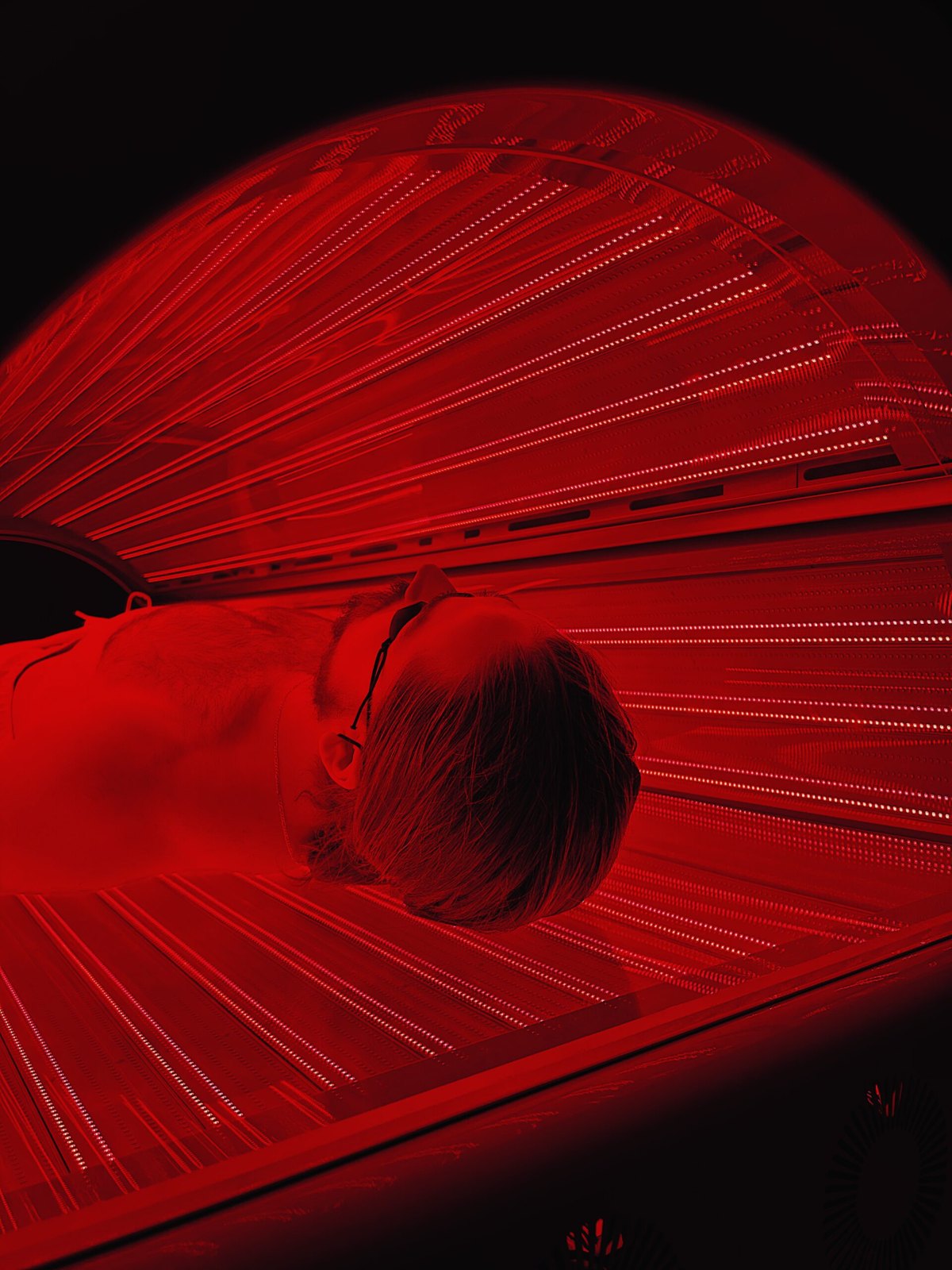
Photobiomodulation (PBM)

PEMF therapy
What do we track, before and after?
The plan is checked in numbers, not only in how it feels.
d-ROMs/BAP
fatigue
sleep
HRV

How does it start?
You do not need to know in advance which test or procedure you need. That is decided at the assessment.
The assessment is a single visit of about two hours: examination, ten groups of measurements and a written plan — 420 €.
The solution is chosen by a doctor.
The procedures are prescribed after the initial assessment and a contraindication check — this page describes the approach, not a prescription.
The assessment is read by a doctor, not by software — internal medicine, cardiology, dermatology, parasitology and metabolic health.
Other complaints.
Complaints rarely come one at a time.
Start with precision diagnostics.
One visit of around two hours, ten groups of measurements and a written individual plan.