
Collagen stimulation and tissue recovery
Collagen is the body's main structural protein — skin, tendons, ligaments, fasciae, cartilage, bone. With age, chronic oxidative stress, prolonged inflammation and UV exposure the balance between its formation and breakdown shifts: less new collagen, fragmented fibres, more active matrix metalloproteinases (MMP).
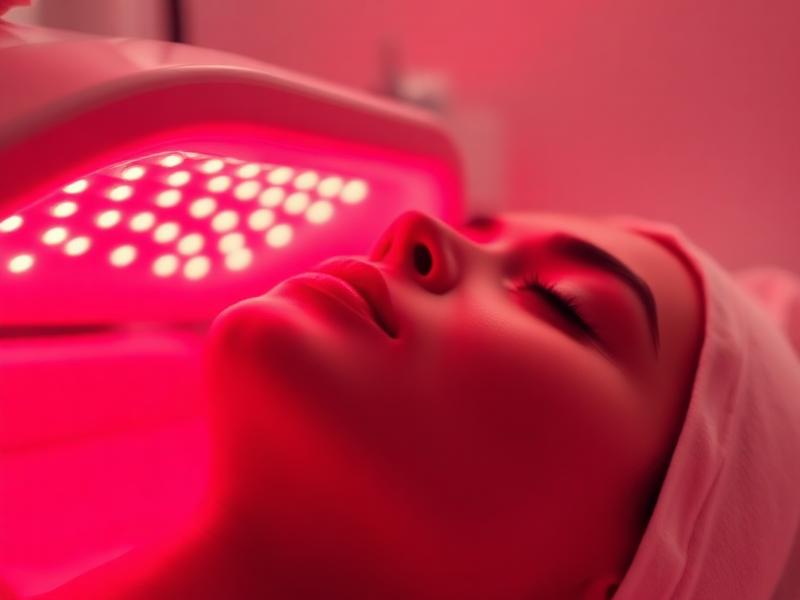
How does it work?
Photobiomodulation (PBM) uses red and near-infrared light at a controlled optical dose. Unlike ablative lasers it does not damage or remove tissue — the light energy triggers photobiological reactions in the cells and can influence signalling, metabolism and recovery processes.
The light energy triggers photobiological reactions in the cells and can influence cell signalling, metabolism and recovery processes — unlike ablative lasers it does not damage or remove tissue. Clinical studies with 633 and 830 nm describe an increase in collagen and elastin fibres and activated fibroblasts. The dose is measured: optical power in mW/cm² and delivered energy in J/cm².
- Fibroblasts and the extracellular matrixIn the skin collagen is made by dermal fibroblasts — type I is structural, type III gives organisation and elasticity. Red and near-infrared light acts on mitochondrial and other photosensitive systems, ATP, reactive oxygen species and calcium signalling; the exact mechanisms are still under study.
- 633 + 830 nm — the best-studied combinationIn a randomised double-blind study of 76 people (Lee, 2007), twice a week for four weeks: up to 36 % fewer measured wrinkles in some groups, up to 19 % better elasticity, histologically more collagen and elastin fibres, activated fibroblasts. No significant adverse reactions.
- Changes in the collagen fibres themselvesIn 36 people with 9 sessions over 5 weeks (Goldberg, 2006) biopsy and electron microscopy showed thicker collagen fibres, together with smoother and denser skin.
- The dose decides, not the nanometresThe systematic review of randomised trials (Jagdeo, 2018) finds positive results in part of the studies — and shows that the outcome depends on wavelength, optical power, energy dose and frequency. More light does not mean a better result: that is why power is measured in mW/cm² and the dose is calculated in J/cm².
| nm | Depth | Typical use |
|---|---|---|
| 633–660 nm | superficial — the dermis | skin and dermal collagen |
| 810–850 nm | centimetres into tissue | tendons, fasciae, soft tissues |
How does it go at our centre?
A non-invasive photobiomodulation procedure with red light at 630 and 660 nm, aimed at stimulating fibroblast activity and the natural processes of collagen synthesis and remodelling. Two programmes: skin and collagen; connective tissue and recovery.
- Session: 10–20 minutes according to the individual protocol; an initial course is usually 9–12 sessions, after which the result is assessed.
- Two programmes: “Skin and collagen” (633 · 660 · 830 nm) and “Connective tissue and recovery” (660 · 810 · 830 · 850 nm).
- Follow-up: for the skin — standardised photographs, elasticity and the patient's own assessment; for the tissues — pain on the VAS, range of motion, functional assessment.
- Before starting — a questionnaire, a contraindication check and a medical assessment; where indicated — nutritional status, vitamin C, iron, zinc, copper, vitamin D, HbA1c, d-ROMs/BAP.
Combinations: An initial course of 9–12 sessions with an assessment of the result; where needed — with TEKAR, PMCT, PEMF, hydrogen therapy and a laboratory assessment of recovery factors.
What does it combine with — and why?
The combinations come from the protocols — each one has a physiological reason, not a sales one.
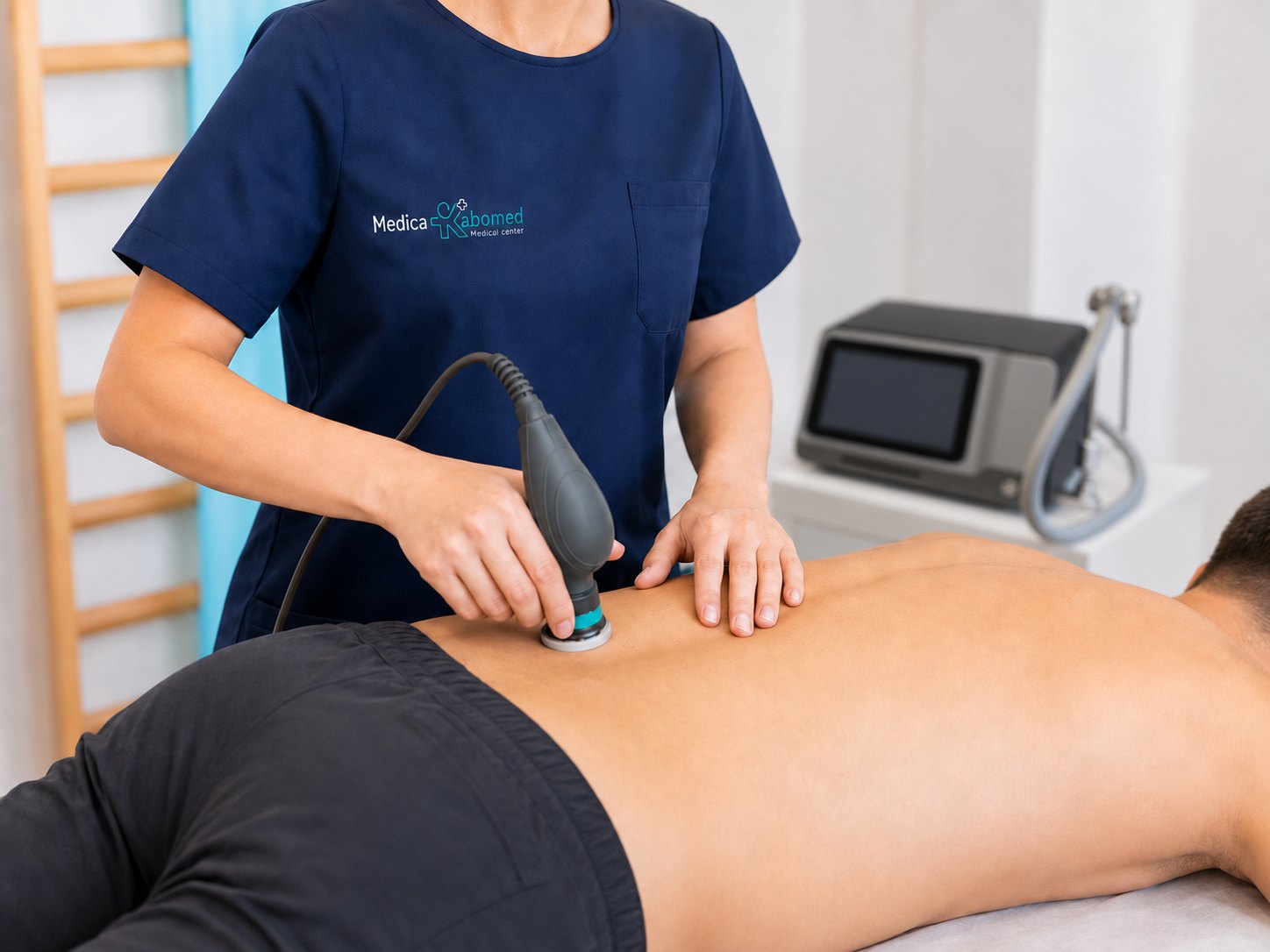
+ TECAR / PMCT
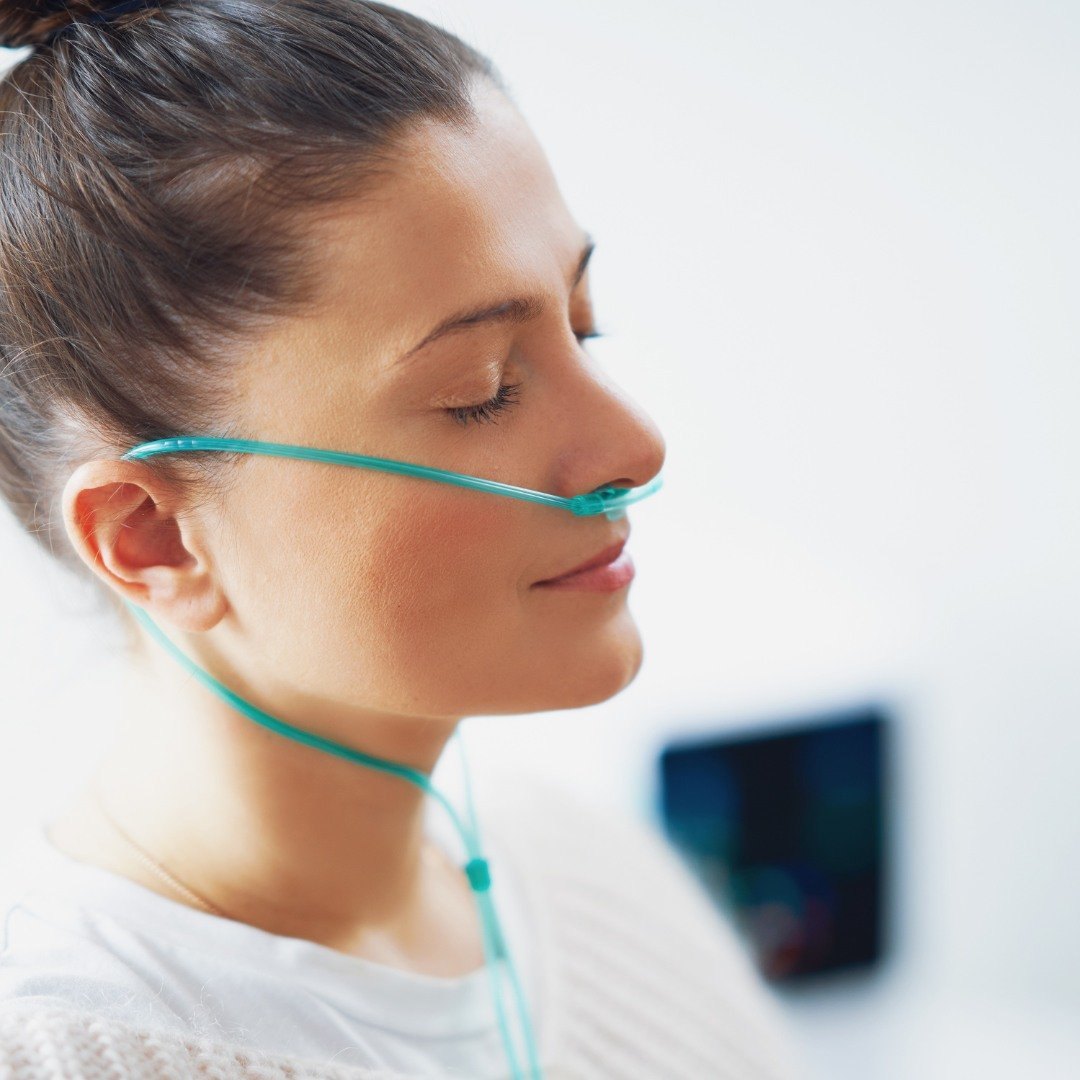
+ Hydrogen inhalation (H₂)
Important to Know
Role of the Procedure
Individual Assessment
Literature
- Lee S.Y. и кол. (2007). A prospective, randomized, placebo-controlled, double-blinded, and split-face clinical study on LED phototherapy for skin rejuvenation. J Photochem Photobiol B. PubMed 17566756
- Goldberg D.J. и кол. (2006). Combined 633-nm and 830-nm LED treatment of photoaging skin. J Drugs Dermatol. PubMed 16989189
- Russell B.A. и кол. (2005). A study to determine the efficacy of combination LED light therapy (633 nm and 830 nm) in facial skin rejuvenation. J Cosmet Laser Ther. PubMed 16414908
- Jagdeo J. и кол. (2018). Light-emitting diodes in dermatology: a systematic review of randomized controlled trials. Lasers Surg Med. PubMed 29356026
- Tripodi N. и кол. (2021). Low-level red and near-infrared photobiomodulation on pain and function in tendinopathy: systematic review and meta-analysis. BMC Sports Sci Med Rehabil. PubMed 34391447
Start with precision diagnostics.
Whether this procedure suits you is decided at the assessment: ~2 hours, ten groups of measurements, a written plan — 420 €.