
Hydrogen bath
The hydrogen bath combines a warm water procedure with contact exposure to molecular hydrogen: H₂ dissolved in the water penetrates the skin — locally into tissue and to a smaller extent systemically.
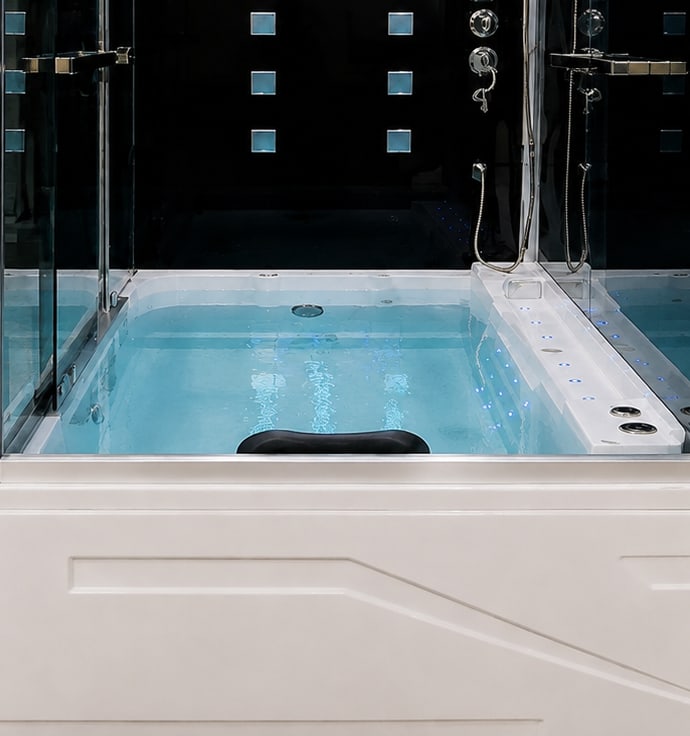
Molecular hydrogen is absorbed through the skin and reaches the cells.
- 1H₂ is the smallest molecule — uncharged, it passes freely through the cell membrane.
- 2It reaches the mitochondria — the main source of reactive oxygen species.
- 3It reacts selectively with the most aggressive radicals (•OH, ONOO⁻), forming water; signalling molecules (H₂O₂, NO) are left untouched.
Simplified scheme after Ohsawa et al., Nature Medicine 13:688–694 (2007).
How does it work?
Compared with inhalation the bath delivers a lower total dose, but adds what the gas cannot: relaxation, thermal vasodilation and direct skin contact.
- Transdermal hydrogen exposureThe small molecule crosses the skin into underlying tissue. The science is the same as inhalation — selective neutralisation of •OH and ONOO⁻ (Ohsawa 2007) — with a lower systemic peak and a stronger local component.
- Thermal vasodilationWarm water widens peripheral vessels and improves skin and subcutaneous circulation.
- Parasympathetic shiftA warm bath is a classic parasympathetic stimulus: pulse slows, muscle tension drops. The procedure is paired with HRV measurement before and after.
How does it go at our centre?
A warm water procedure with molecular-hydrogen-enriched water — antioxidant support through the skin. Combines relaxation, contact hydrogen exposure and peripheral circulation support.
- Session: 20–30 minutes at a controlled water temperature.
- Typical sequence for a stress profile: HRV/Kubios measurement → hydrogen bath → PBM or PEMF relaxation.
Combinations: HRV/Kubios → hydrogen bath → PBM/PEMF relaxation.
What does it combine with — and why?
The combinations come from the protocols — each one has a physiological reason, not a sales one.
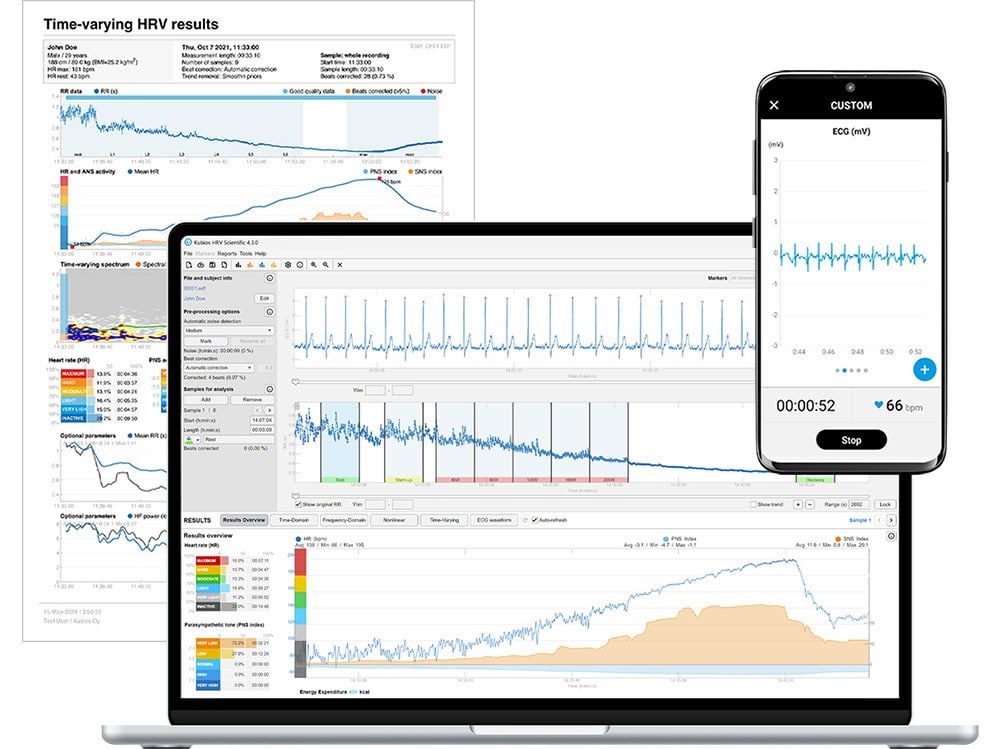
+ HRV measurement (Kubios)

+ PBM / PEMF relaxation
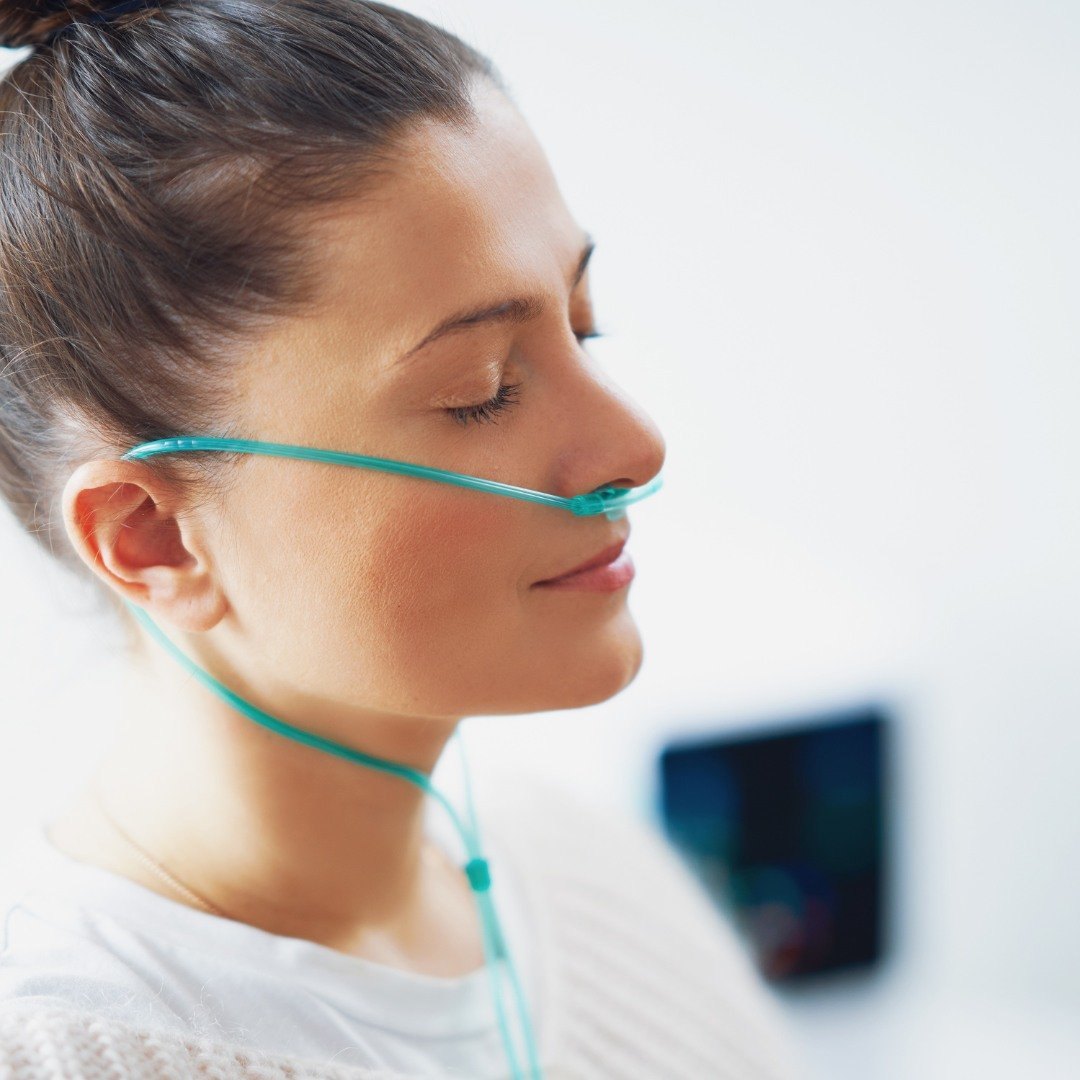
+ Hydrogen inhalation (H₂)
Important to Know
Role of the Procedure
Individual Assessment
Literature
- Ohsawa I. и кол. (2007). Hydrogen acts as a therapeutic antioxidant by selectively reducing cytotoxic oxygen radicals. Nature Medicine. PubMed 17486089
- Ohta S. (2014). Molecular hydrogen as a preventive and therapeutic medical gas. Pharmacology & Therapeutics. PubMed 24769081
Start with precision diagnostics.
Whether this procedure suits you is decided at the assessment: ~2 hours, ten groups of measurements, a written plan — 420 €.