
Stress, inner tension and poor sleep
Poor sleep and constant tension are not "in your head". The nervous system has a measurable balance between strain and recovery — and a five-minute recording shows where you stand. The same recording later checks whether the plan is working.
The path, from complaint to number.
The same four steps for every complaint — only the measurements and the therapies change.
How you feel, in your own words
Only the markers and tests that can give useful information
Next steps and therapies, determined by a doctor
Kubios · sleep
What do we measure — and why?
The complaint becomes measurements. Here is which — and what each of them tells us.
Low parasympathetic reserve (RMSSD/PNS) with a high stress index and sympathetic dominance, disturbed sleep, anxiety.
- HRV analysis (Kubios) — autonomic balanceA five-minute resting recording — the variability between heartbeats shows the balance between the sympathetic and parasympathetic branch.
- Vitals and ECGBlood pressure, pulse, saturation and ECG — the baseline against which the other values are read.
- d-ROMs and BAPd-ROMs measures the oxidative load, BAP the antioxidant reserve. They are read together: the same value means something different with a high or a depleted reserve.
Depending on the case, the doctor decides which of these give useful information.
- anaemia and iron status
- thyroid function
- glucose metabolism
- inflammatory markers
- vitamin and nutritional status
- the autonomic nervous system
- sleep quality
- oxidative stress
- physical overload and insufficient recovery
The therapies that follow.
Each one leads to its own page — the mechanism, duration, price and contraindications.
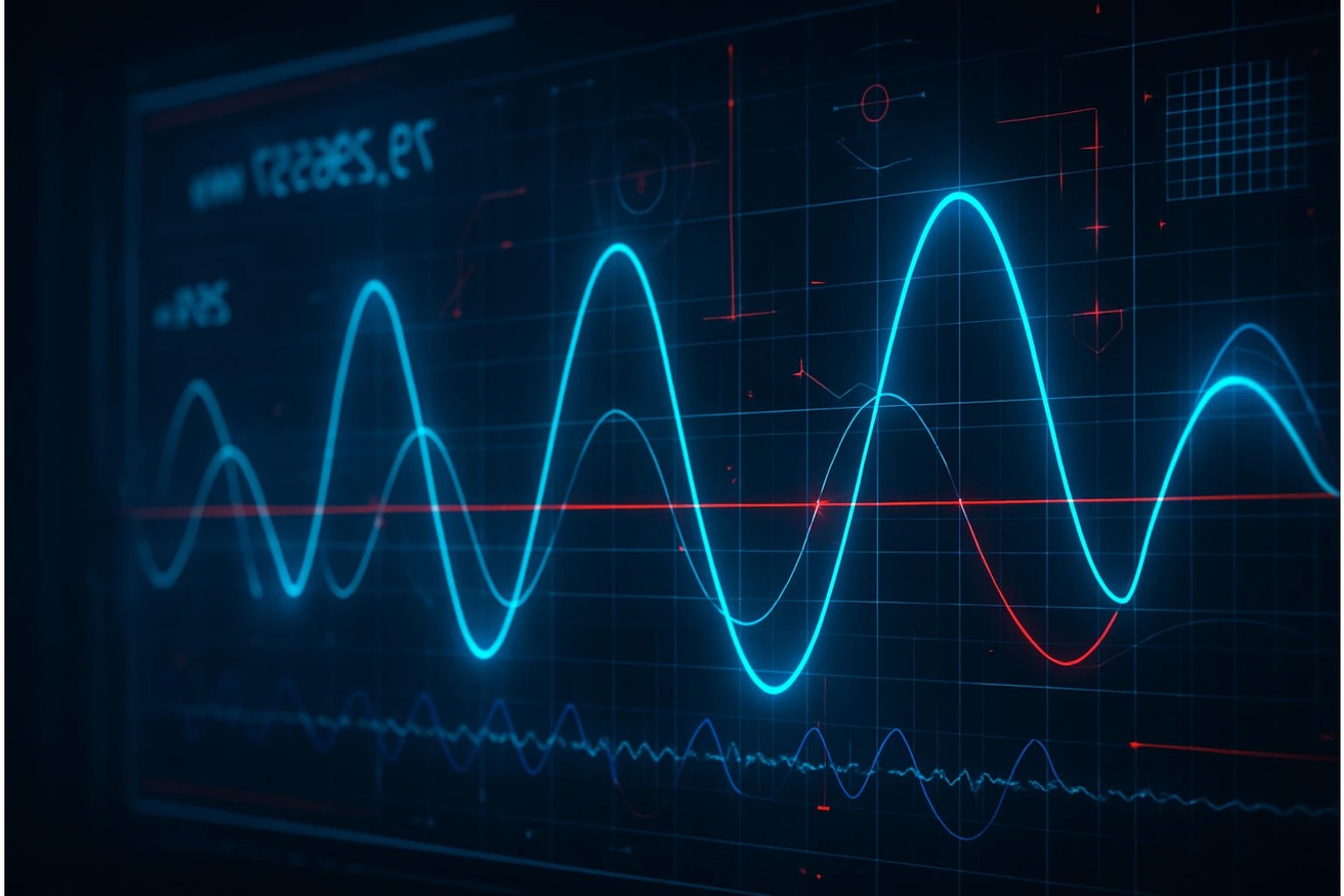
PEMF therapy
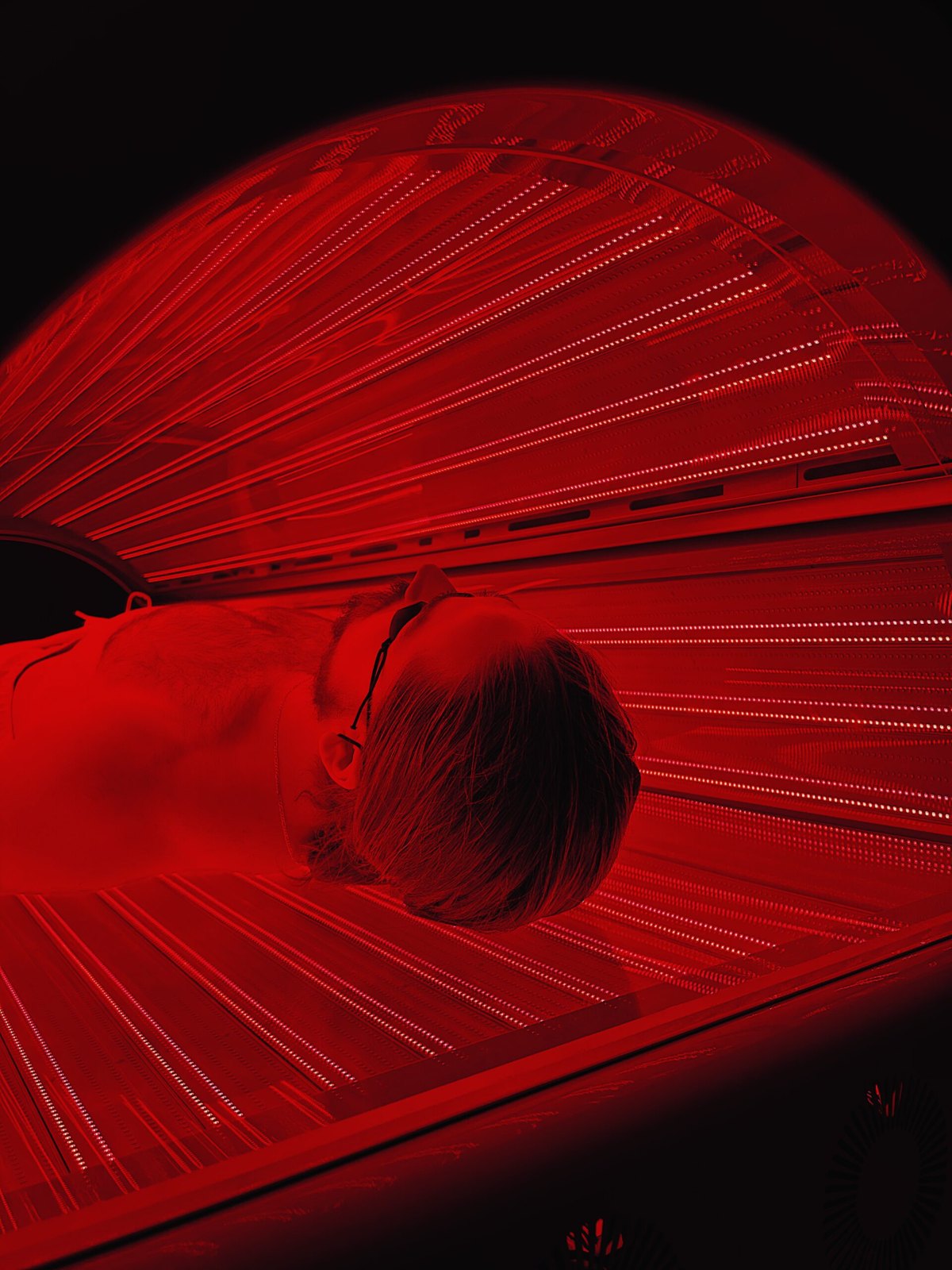
Photobiomodulation (PBM)
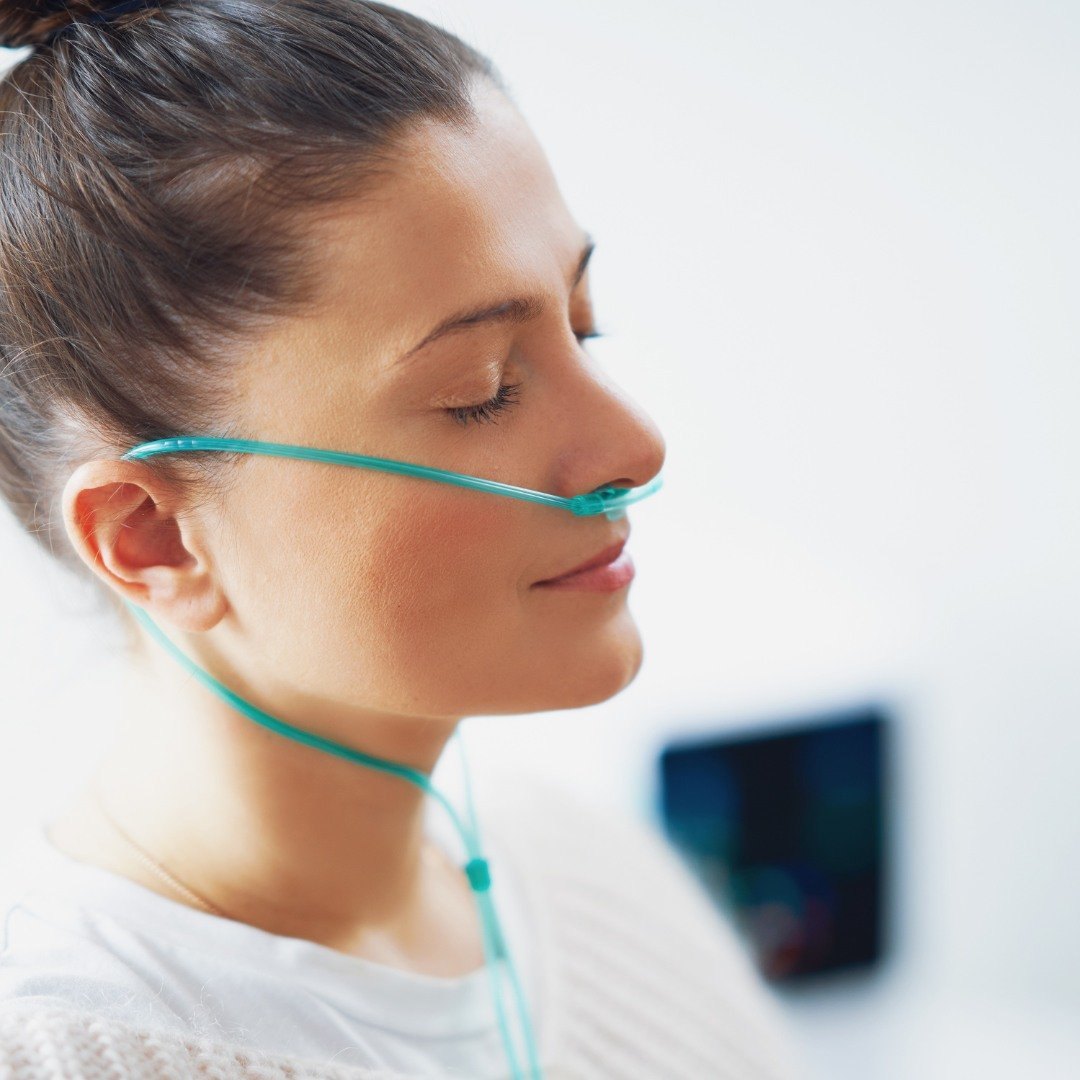
Hydrogen inhalation (H₂)
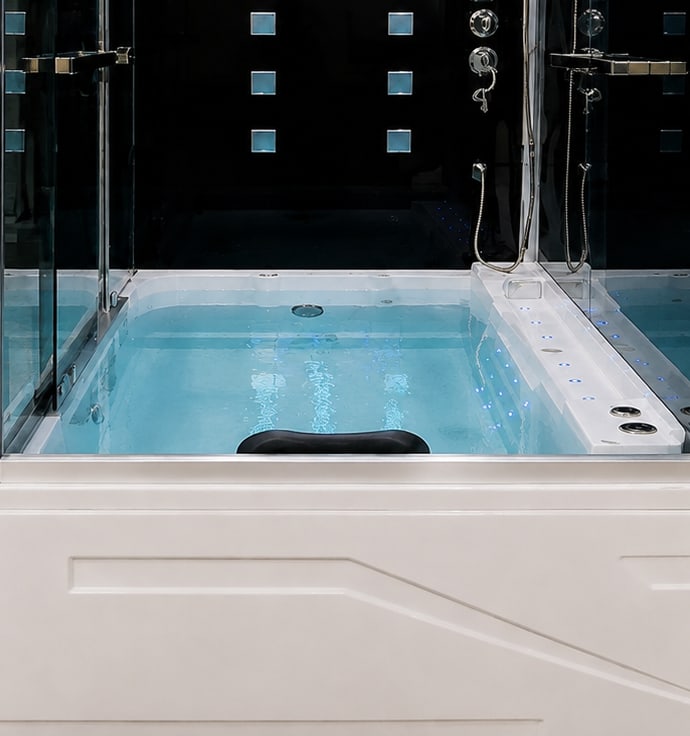
Hydrogen bath
What do we track, before and after?
The plan is checked in numbers, not only in how it feels.
Kubios
sleep
pulse
subjective stress

How does it start?
You do not need to know in advance which test or procedure you need. That is decided at the assessment.
The assessment is a single visit of about two hours: examination, ten groups of measurements and a written plan — 420 €.
The solution is chosen by a doctor.
The procedures are prescribed after the initial assessment and a contraindication check — this page describes the approach, not a prescription.
The assessment is read by a doctor, not by software — internal medicine, cardiology, dermatology, parasitology and metabolic health.
Other complaints.
Complaints rarely come one at a time.
Start with precision diagnostics.
One visit of around two hours, ten groups of measurements and a written individual plan.