
Photobiomodulation (PBM)
Photobiomodulation (PBM) uses low-intensity red (~660 nm) and near-infrared (810–850 nm) light. This is not heating and not surgical laser — the energy is only enough to trigger photochemical reactions in the cell.
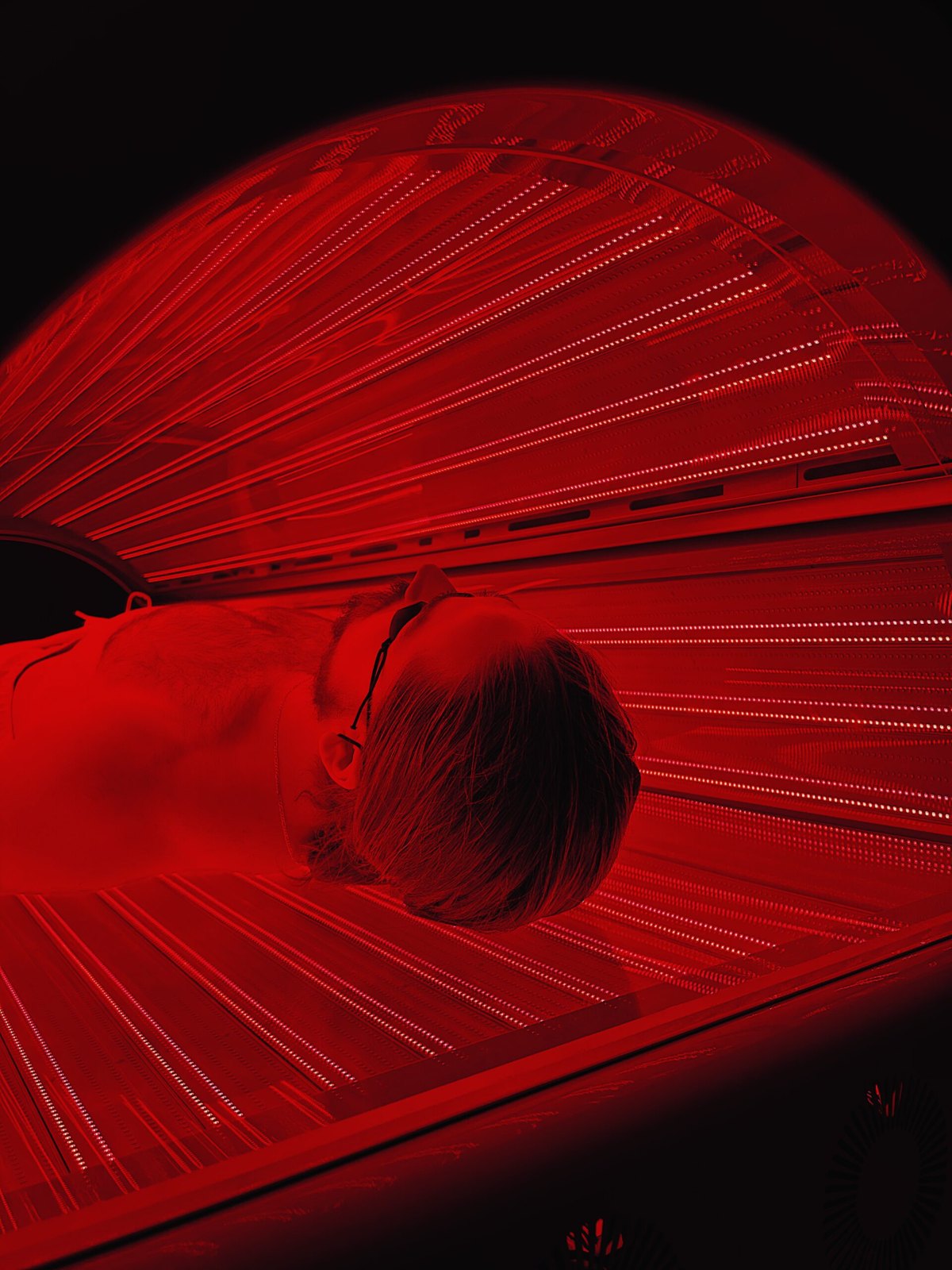
Photons reach the mitochondria and support ATP production.
How does it work?
The key is that specific cellular molecules absorb exactly these wavelengths. The main acceptor is cytochrome c oxidase — complex IV of the mitochondrial respiratory chain, studied by T. Karu and colleagues.
Light at these wavelengths is absorbed by cytochrome c oxidase — complex IV of the mitochondrial respiratory chain. The described effect is twofold: nitric oxide is released, widening vessels and improving local blood supply, and ATP production rises, meaning more available cellular energy. Red light acts closer to the surface; infrared penetrates deeper.
- Absorption by cytochrome c oxidaseRed and near-infrared light is absorbed by complex IV of the respiratory chain (Karu, 2005), improving electron transport and raising ATP production.
- Nitric oxide releaseLight displaces NO from cytochrome binding; freed NO widens vessels and improves local blood supply (de Freitas & Hamblin, 2016).
- A brief biostimulatory ROS signalPBM creates a short, controlled rise in reactive oxygen species acting as an adaptation signal. This is why PBM pairs well with H₂, which clears only the most aggressive radicals without cancelling the useful signal.
- Depth by wavelength~660 nm acts superficially, 810–850 nm penetrates centimetres into tissue, 940 nm has a stronger vascular component.
| nm | Depth | Typical use |
|---|---|---|
| 630–660 nm | superficial | skin, mucosa, superficial lesions |
| 810–850 nm | centimetres into tissue | muscle, joints, neural structures |
| 940 nm | deep, vascular accent | vascular and inflammatory components |
How does it go at our centre?
Red and near-infrared light exposure aimed at mitochondrial function, microcirculation, inflammatory modulation and tissue recovery.
- Session: 10–20 minutes depending on protocol and area; a typical local dose is 4–8 J/cm².
- Eye protection is mandatory during the procedure.
- Common pairings: PBM + H₂ (redox), PBM + TECAR/PMCT (pain), PBM + PEMF (recovery and sleep).
Combinations: PBM + H₂ for RedOx; PBM + TECAR/PMCT for pain; PBM + PEMF for recovery and sleep.
What does it combine with — and why?
The combinations come from the protocols — each one has a physiological reason, not a sales one.
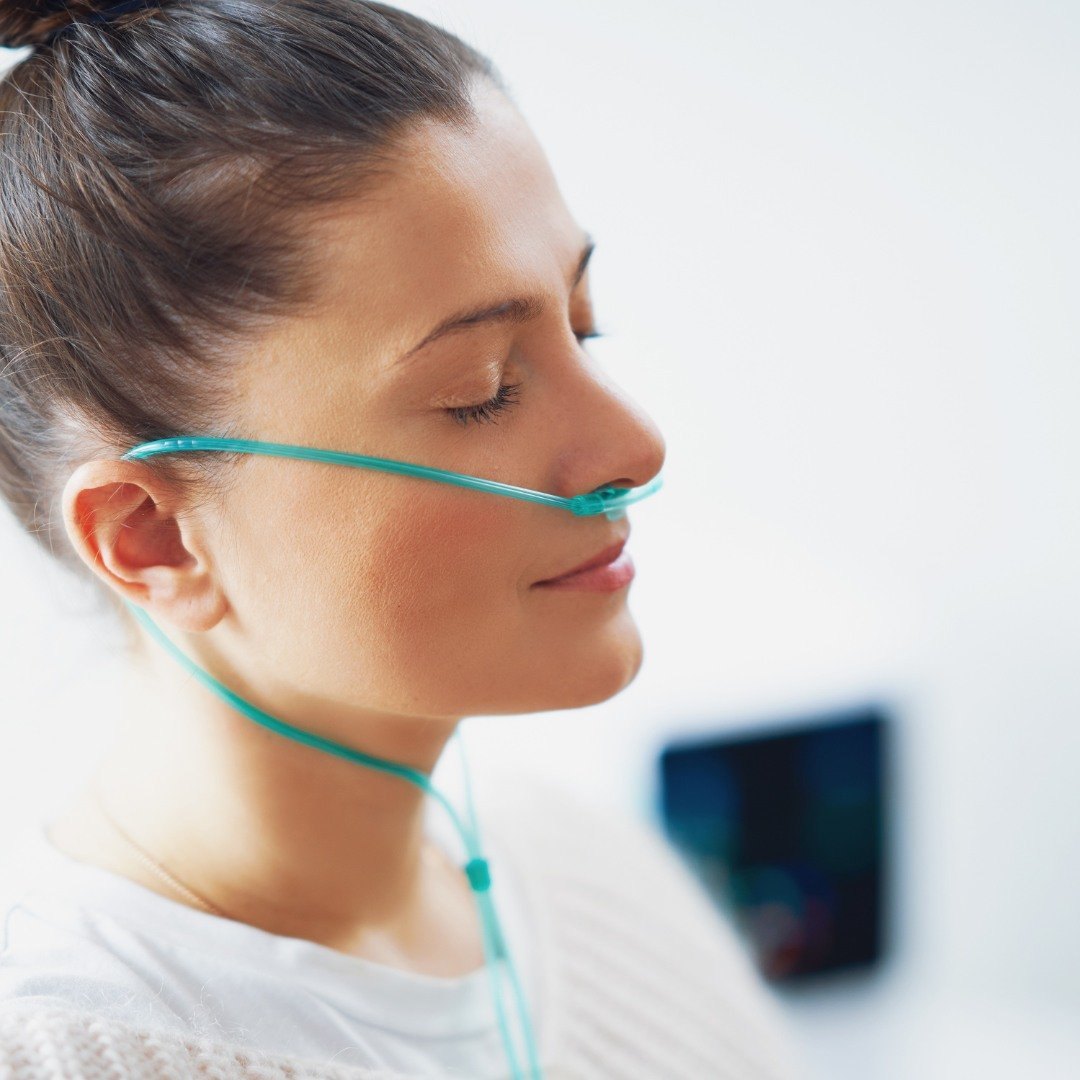
+ Hydrogen inhalation (H₂)
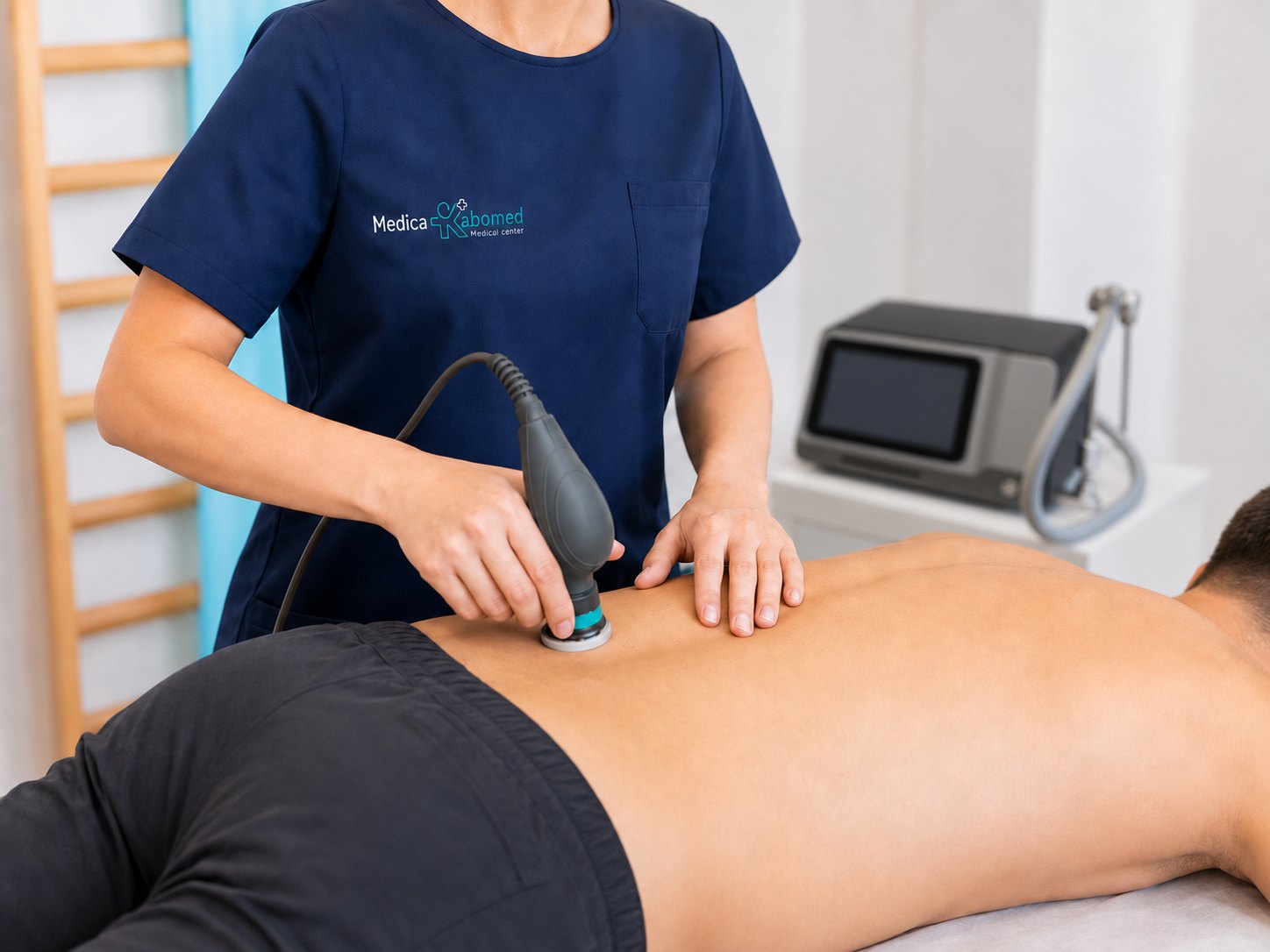
+ TECAR / PMCT
+ PEMF
Important to Know
Role of the Procedure
Individual Assessment
Literature
- Karu T.I. и кол. (2005). Absorption measurements of a cell monolayer relevant to phototherapy: reduction of cytochrome c oxidase. J Photochem Photobiol B. PubMed 16125966
- de Freitas L.F., Hamblin M.R. (2016). Proposed mechanisms of photobiomodulation or low-level light therapy. IEEE J Sel Top Quantum Electron. PubMed 28070154
Start with precision diagnostics.
Whether this procedure suits you is decided at the assessment: ~2 hours, ten groups of measurements, a written plan — 420 €.