
PMCT therapy
PMCT is peripheral magnetic stimulation: a rapidly changing magnetic field induces current in underlying nerves and muscle (Faraday's law), producing deep muscle contraction — no needles, no skin electrodes, no current through the skin.
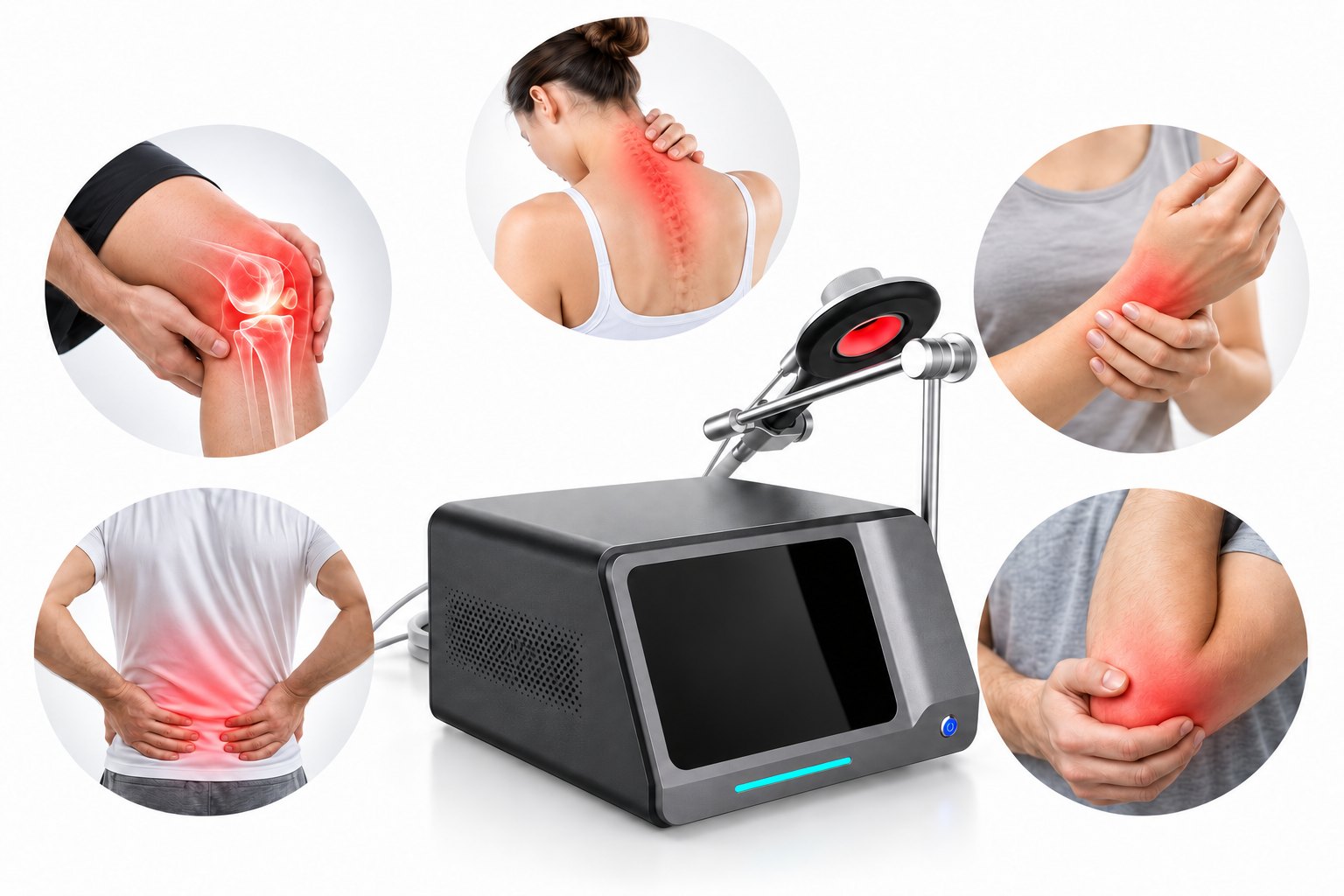
Pulsed magnetic stimulation reaches the muscles and supports relaxation.
How does it work?
That is the difference from classical electrostimulation: the magnetic field passes unimpeded through skin and clothing, reaching muscles that surface electrodes struggle to activate.
- Electromagnetic inductionThe pulsed field depolarises motor nerves and contracts deep muscle groups. Intensity and frequency set whether the effect is activating or relaxing.
- Neuromuscular re-trainingRepetitive peripheral magnetic stimulation (rPMS) is studied for its effects on sensorimotor function and pain, including changes in cortical excitability after stimulation (Beaulieu & Schneider, 2017).
- Pump effectRhythmic contractions act as a muscle pump, moving blood and lymph and supporting metabolism in overloaded or deconditioned muscle.
How does it go at our centre?
Peripheral magnetic stimulation aimed at muscles, neuromuscular activation, spasm and pain areas. Can produce deep muscle contraction without needles or skin electrodes.
- Session: 10–20 minutes depending on the area and tolerance.
- The sensation is a deep, painless rhythmic tightening of the muscle.
- Common pairings: PMCT + TECAR for pain and spasm; PMCT + PBM for recovery.
Combinations: PMCT + TECAR for pain and spasm; PMCT + PBM for recovery; PMCT + PEMF for chronic pain.
What does it combine with — and why?
The combinations come from the protocols — each one has a physiological reason, not a sales one.
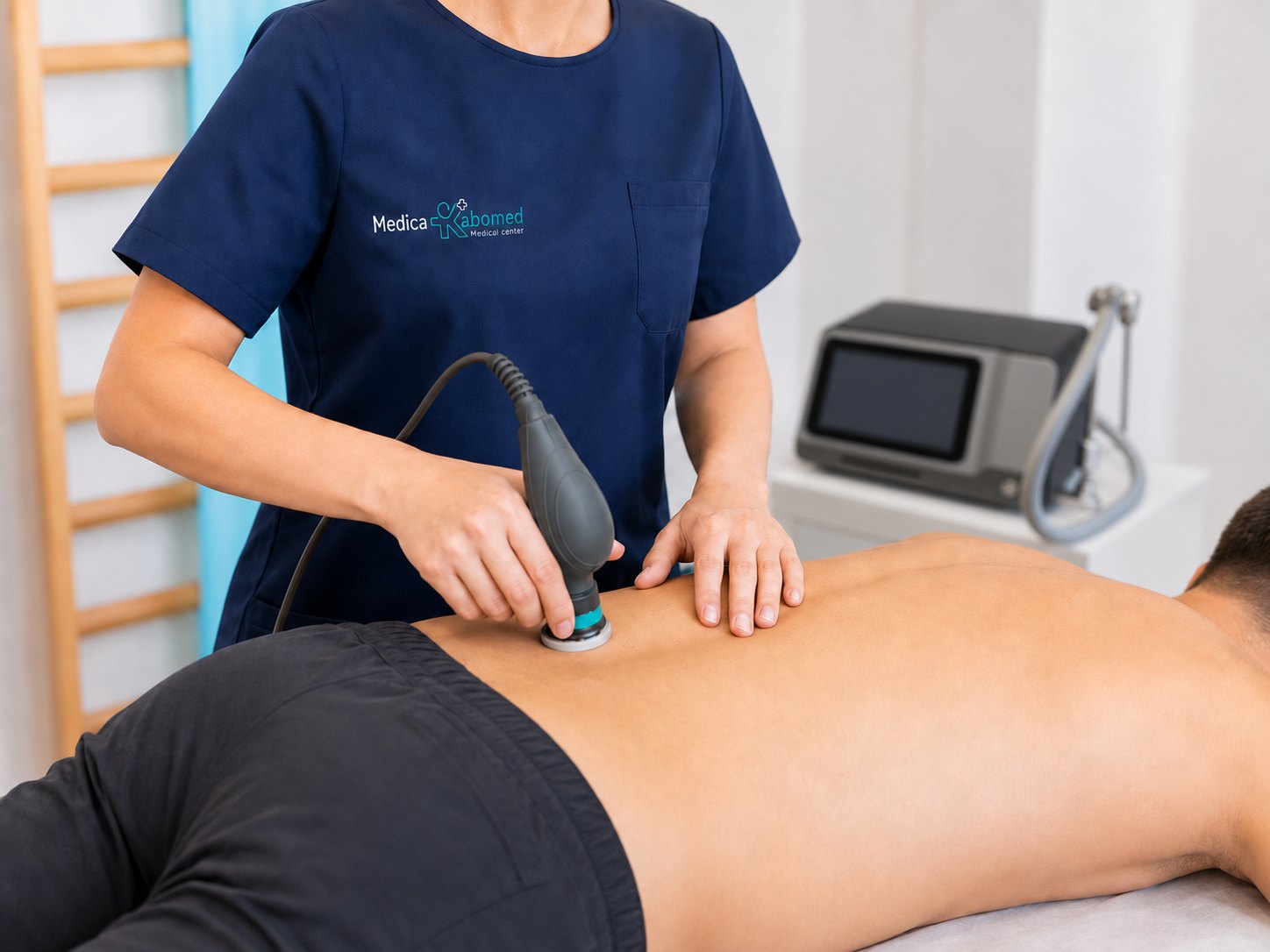
+ TECAR
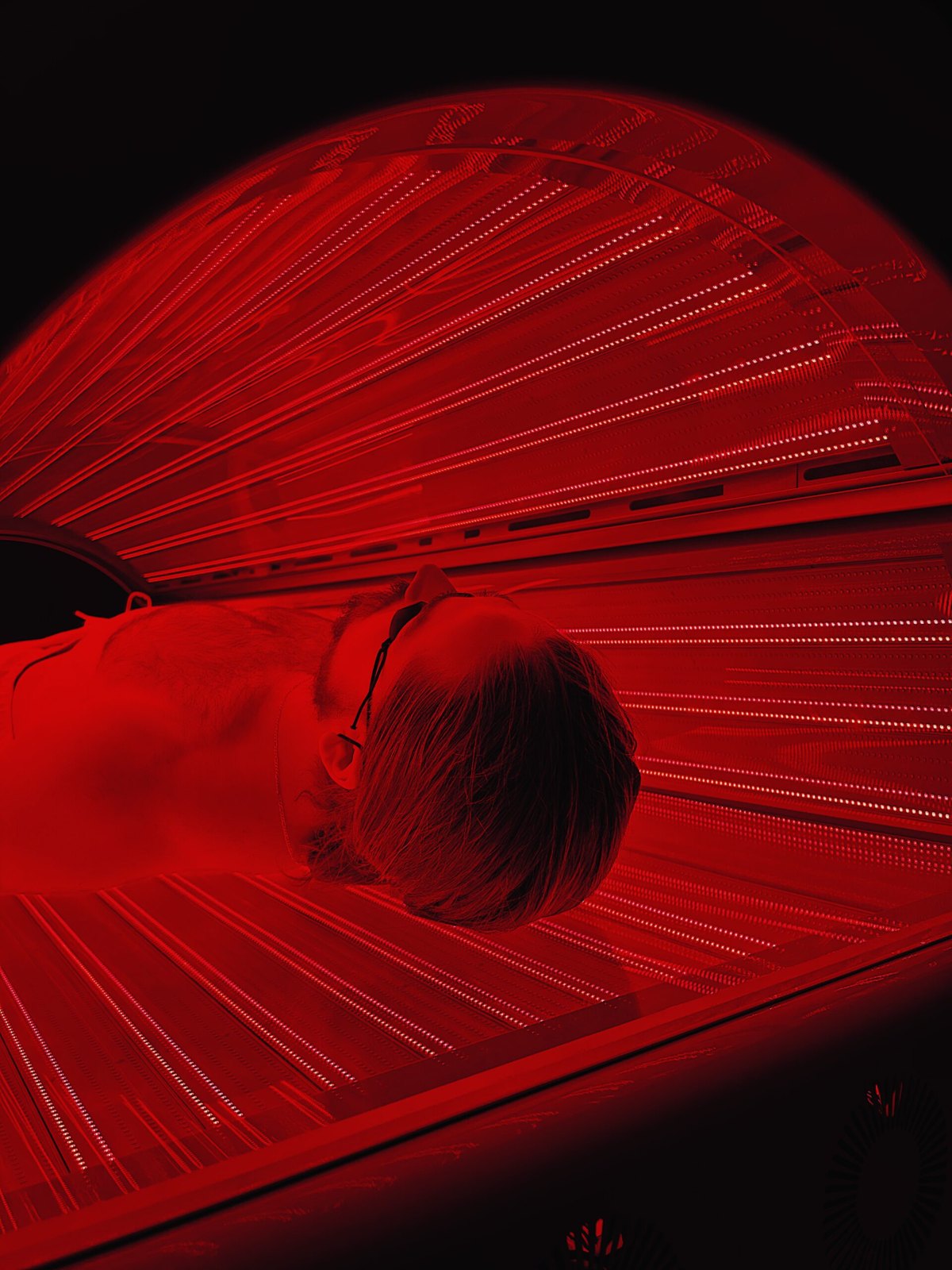
+ Photobiomodulation (PBM)
+ PEMF
When is it not done?
Contraindications are checked before every procedure — which is why they stand here, before the booking, not at the door.
Contraindications
What it does not do
A doctor decides
Literature
- Beaulieu L.-D., Schneider C. и кол. (2017). After-effects of peripheral neurostimulation on brain plasticity and ankle function. Neurophysiol Clin. PubMed 28314519
Start with precision diagnostics.
Whether this procedure suits you is decided at the assessment: ~2 hours, ten groups of measurements, a written plan — 420 €.